
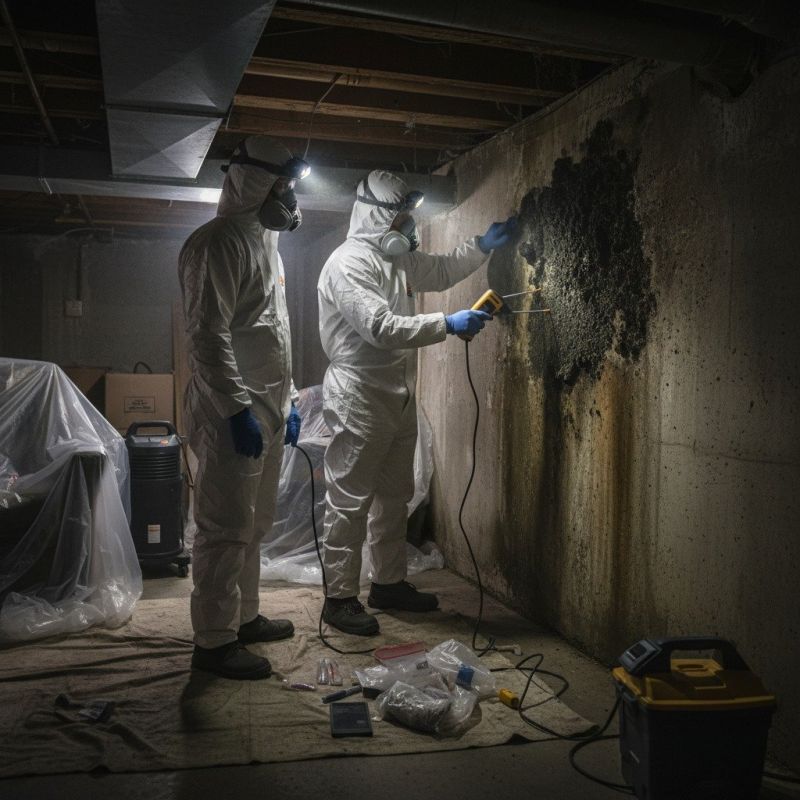
Mold Control in Essex County, NJ
Mold control services focus on identifying, removing, and preventing mold growth within residential properties. These services typically address issues such as moisture intrusion, water damage, and high humidity levels that can lead to mold development on surfaces like walls, ceilings, and hidden areas such as attics or crawl spaces. Property owners often request mold control when they notice visible mold, experience musty odors, or suspect hidden mold due to ongoing water problems or past flooding. The goal is to improve indoor air quality and protect the structural integrity of the property by effectively managing mold growth.
Before requesting mold control services, homeowners should understand the extent of the mold problem, including whether it is visible or suspected in concealed areas. It is also helpful to know the history of water leaks, flooding, or high humidity in the property. Proper assessment often involves identifying moisture sources and evaluating affected materials to determine the appropriate removal and remediation methods. Clear communication about the scope of the project and any ongoing moisture issues can assist in planning effective mold management and prevention strategies.
Many property owners in Essex County, NJ look into Mold Control for repairs, replacements, upgrades, and appearance-related improvements.
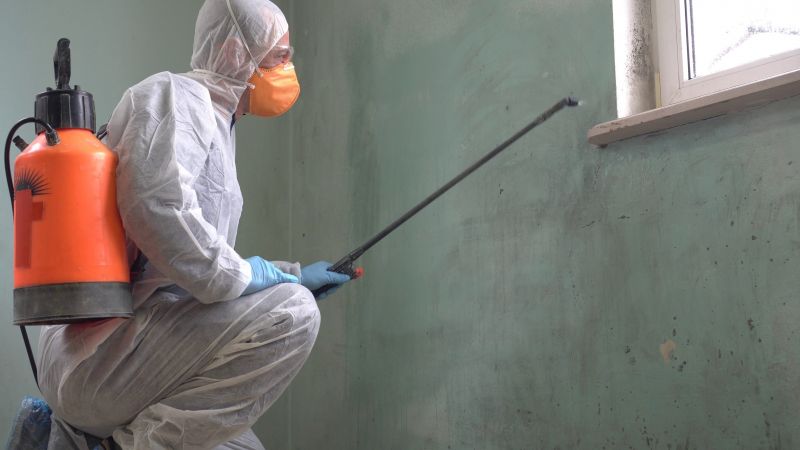
Mold Prevention Tips
Proper ventilation and moisture control can help reduce mold growth in homes around essex county.
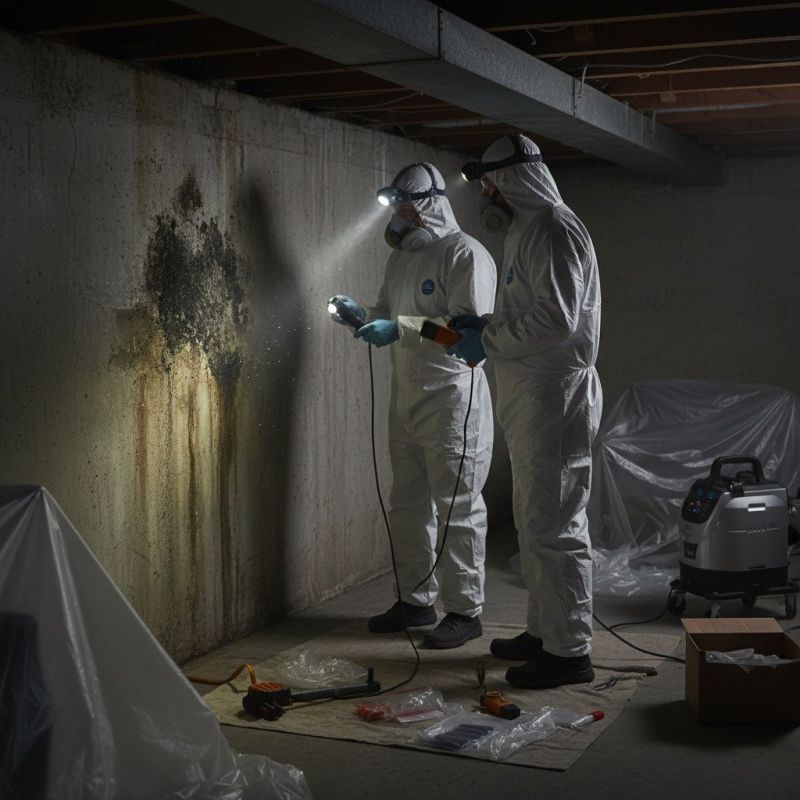
Common Mold Sources
Leaking pipes, damp basements, and poor insulation are frequent contributors to mold issues in properties.
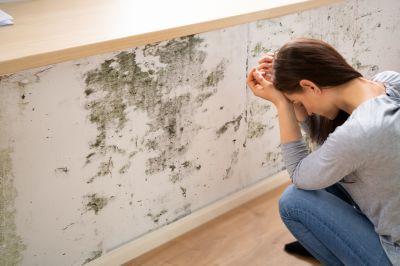
Health And Safety
Addressing mold promptly can improve indoor air quality and protect residents from potential health risks.
Mold Control in Essex County, NJ
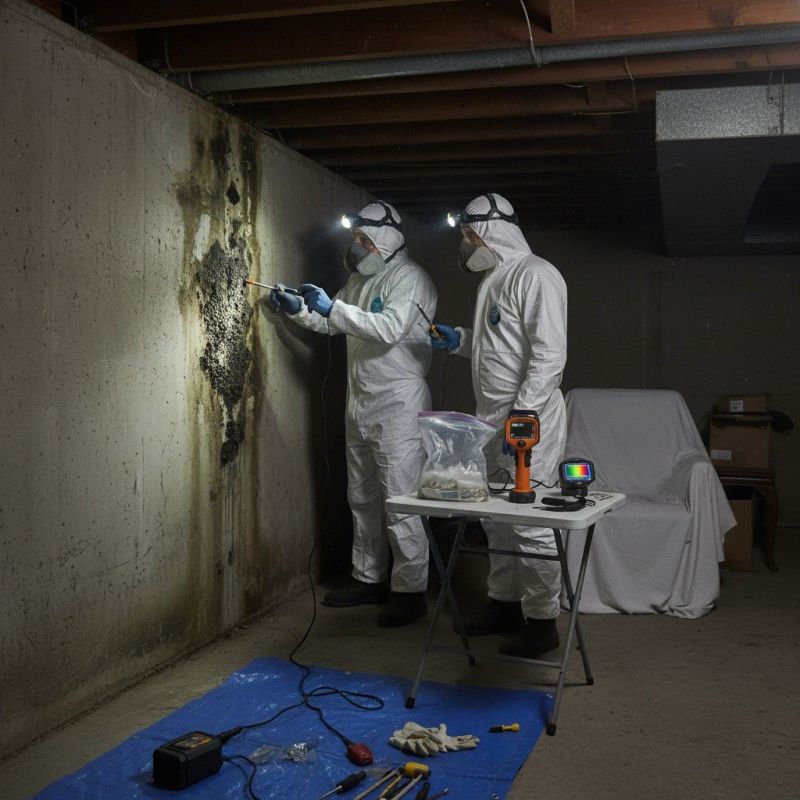
Mold control services focus on identifying, removing, and preventing mold growth within residential properties. These services typically address issues such as moisture intrusion, water damage, and high humidity levels that can lead to mold development on surfaces like walls, ceilings, and hidden areas such as attics or crawl spaces. Property owners often request mold control when they notice visible mold, experience musty odors, or suspect hidden mold due to ongoing water problems or past flooding. The goal is to improve indoor air quality and protect the structural integrity of the property by effectively managing mold growth.
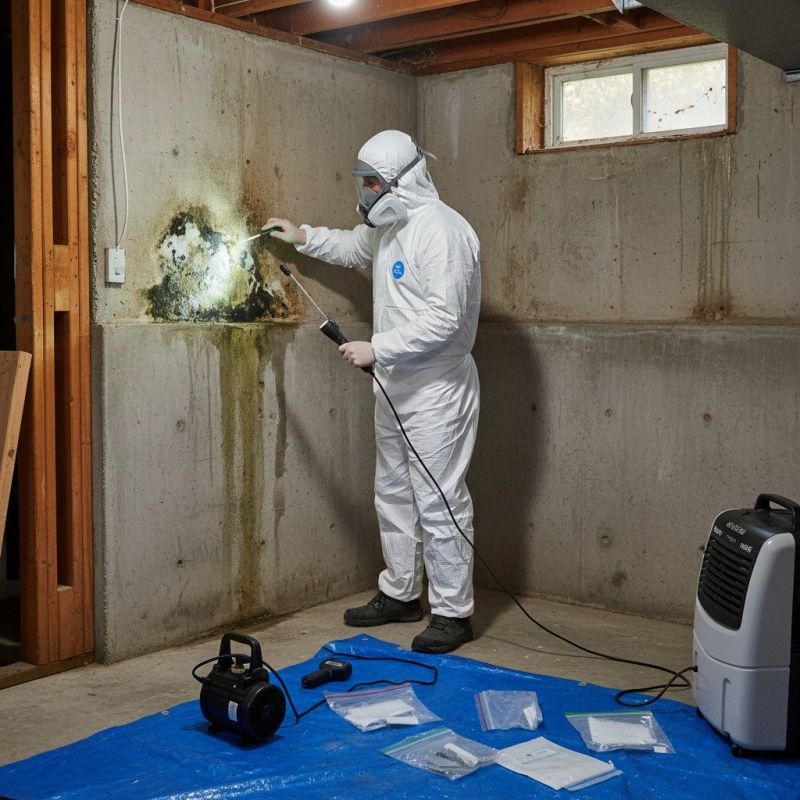
Before requesting mold control services, homeowners should understand the extent of the mold problem, including whether it is visible or suspected in concealed areas. It is also helpful to know the history of water leaks, flooding, or high humidity in the property. Proper assessment often involves identifying moisture sources and evaluating affected materials to determine the appropriate removal and remediation methods. Clear communication about the scope of the project and any ongoing moisture issues can assist in planning effective mold management and prevention strategies.
Many property owners in Essex County, NJ look into Mold Control for repairs, replacements, upgrades, and appearance-related improvements.
Common Mold Control Jobs
Mold Inspection - identifies hidden mold growth in walls, ceilings, and hidden spaces.
Mold Remediation - removes existing mold to improve indoor air quality and prevent health issues.
Water Damage Restoration - addresses leaks and moisture problems that contribute to mold development.
Air Quality Testing - assesses indoor air for mold spores and airborne contaminants.
Moisture Control - implements measures to reduce humidity and prevent mold from returning.
Mold Prevention Advice - offers guidance on maintaining a dry, mold-resistant environment in the home.
Mold Control Questions
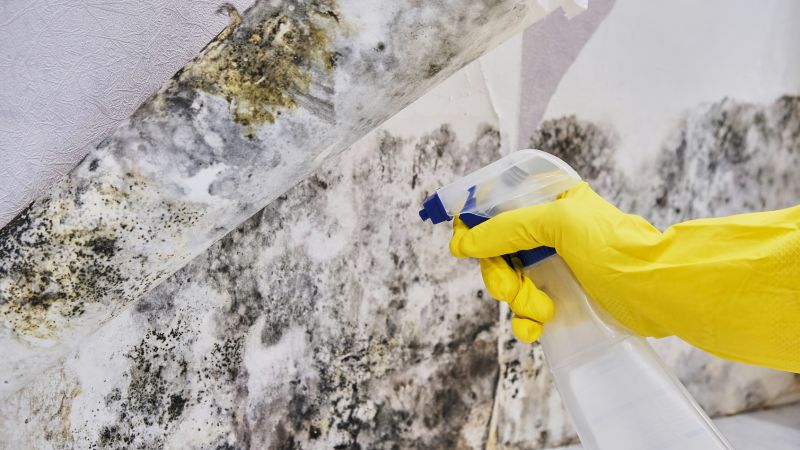
What causes mold growth in homes? Mold typically develops in areas with excess moisture, such as leaks, high humidity, or poor ventilation.
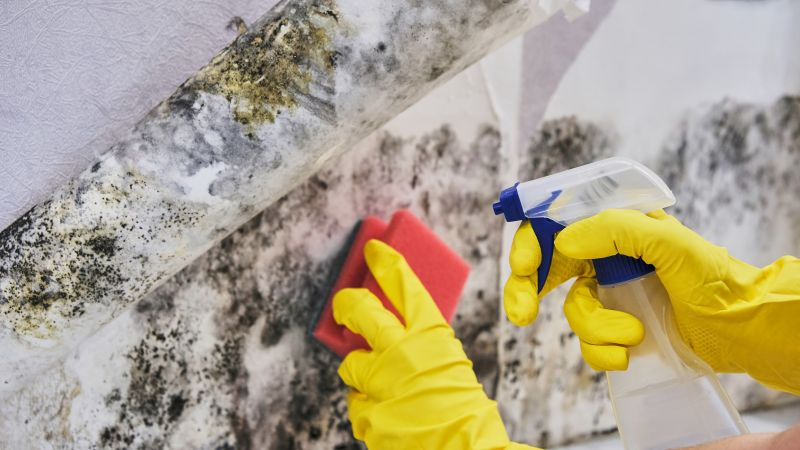
How can property owners prevent mold? Keeping indoor humidity low, fixing leaks promptly, and ensuring proper ventilation help prevent mold growth.
What types of mold are commonly found indoors? Common indoor molds include Aspergillus, Cladosporium, and Stachybotrys, which can vary in appearance and health effects.
When is mold control necessary? Mold control is recommended when visible growth is present or if there are signs of persistent moisture issues or musty odors.
Request Mold Control in Essex County, NJ
Use the quote form on this page to share the basics of your project and request more information for the type of work you need.